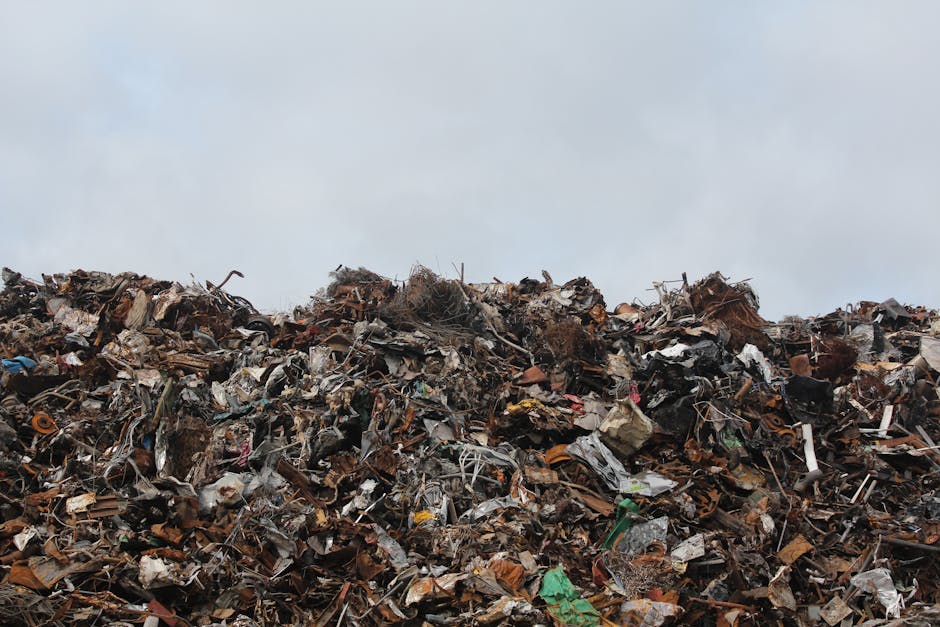
Epping Forest clearance rubbish removal for Chingford homes: a practical local guide
If you live in Chingford, rubbish has a habit of building up in the places you least expect. A garage becomes a dumping ground. The loft fills with old boxes. The garden turns into a half-finished project. And if you are dealing with an Epping Forest clearance rubbish removal for Chingford homes job, the awkward part is usually not the lifting. It is deciding what should go, what needs special handling, and how to get everything cleared without creating more hassle than the mess you started with.
This guide walks you through the process in plain English. You will find out what the service involves, how it tends to work in real life, what to watch out for, and how to make sensible choices for your home. There is also a checklist, a comparison table, and answers to common questions people ask before booking. No fluff. Just useful, local-minded advice you can actually use.
Table of Contents
- Why Epping Forest clearance rubbish removal for Chingford homes Matters
- How Epping Forest clearance rubbish removal for Chingford homes Works
- Key Benefits and Practical Advantages
- Who This Is For and When It Makes Sense
- Step-by-Step Guidance
- Expert Tips for Better Results
- Common Mistakes to Avoid
- Tools, Resources and Recommendations
- Law, Compliance, Standards, or Best Practice
- Options, Methods, or Comparison Table
- Case Study or Real-World Example
- Practical Checklist
- Conclusion
- Frequently Asked Questions
Why Epping Forest clearance rubbish removal for Chingford homes Matters
Chingford sits right on the edge of a very particular kind of living: suburban streets, busy family homes, older properties with awkward storage, and plenty of green space nearby. That mix is lovely, but it also means junk has a way of spreading. A few bags in the shed. Some broken furniture in the spare room. A pile of garden waste after a weekend of "we'll deal with it later." Before you know it, the house feels smaller, not bigger.
That is why a focused clearance service matters. It is not just about taking away waste. It is about restoring usable space and reducing the stress that comes with clutter. A good clearance also helps you separate general rubbish from items that need specialist disposal, which is where many homeowners get stuck. Truth be told, most people do not mind the sorting once it is explained properly. They just do not want to spend an entire Saturday guessing what goes in which pile.
There is also a practical local angle. Homes near Epping Forest often deal with garden debris, renovation leftovers, old outdoor furniture, and bulky waste from seasonal clear-outs. If that sounds familiar, you are not alone. A seasonal clean can quickly become a full property reset.
Expert summary: The best rubbish removal for Chingford homes is not the one that moves the fastest. It is the one that clears the right materials, handles awkward items safely, and leaves you with a proper result rather than a half-job.
If you want a broader understanding of how waste is handled across different property types, the site's waste removal and home clearance pages are useful starting points.
How Epping Forest clearance rubbish removal for Chingford homes Works
At a basic level, the process is simple: you identify the waste, get a quote or booking, the team arrives, and the rubbish is removed. In practice, though, there are a few steps that make the difference between a smooth clearance and a frustrating one.
1. Assess what actually needs removing
Start by walking through the house, garden, loft, garage, or shed and making a quick list. Some people do this room by room. Others work from biggest item to smallest item. Either way is fine. The point is to avoid vague descriptions like "just a bit of stuff." That can mean one black bag or half a van. Not exactly the same thing.
2. Separate ordinary waste from special items
Common household rubbish, broken furniture, and general clutter are usually straightforward. But appliances, mattresses, fridges, and anything potentially hazardous need a bit more care. If you are not sure, ask before the job begins. A reliable service should be able to explain what can be taken and what needs separate handling. For awkward items, the pages on fridge and appliance removal and hazardous waste disposal are especially relevant.
3. Choose the clearance approach that suits the property
Not every job is the same. A front room clear-out, a post-renovation pile, and a loft full of old suitcases need different planning. If there are stairs, tight hallways, fragile flooring, or parking restrictions outside, that affects timing and access. In London, that last part is often the hidden complication.
4. The team removes, loads, and sorts the waste
Once on site, the job usually involves lifting, carrying, loading, and sorting. Good operators try to keep disruption low, protect walls and floors where needed, and work efficiently without rushing the job into a mess. You should expect clear communication, especially if they find extra material that changes the scope.
5. Waste is then handled responsibly
After collection, the waste should be sorted for reuse, recycling, or disposal as appropriate. That is one reason it can be worth using a service that has a visible focus on recycling and sustainability. Not every item can be reused, obviously, but a sensible service will avoid treating every load the same way.
Key Benefits and Practical Advantages
Most homeowners first think of speed. Fair enough. But the real value of a proper clearance service is wider than that.
- It saves time: You avoid multiple trips to the tip, loading issues, and all the stop-start faff that comes with handling heavy waste yourself.
- It reduces physical strain: Sofas, wardrobes, white goods, and damp garden waste are not kind on backs or stairwells.
- It can be safer: Broken glass, sharp metal, mouldy items, and awkward lifting are handled with more care.
- It helps you reclaim space quickly: That spare room starts looking like a room again, which is always a nice moment.
- It makes decluttering feel manageable: Instead of one enormous "we should sort this out" job, the work becomes a set of decisions.
- It supports better disposal habits: Items can be separated, recycled, or treated properly rather than just shoved into a bin bag and hoped for the best.
For households comparing services, the decision often comes down to whether they need a full house clearance, a smaller flat clearance, or a targeted garage clearance. Different jobs, different effort. Simple enough once you break it down.
Who This Is For and When It Makes Sense
This kind of service suits far more people than most realise. It is not only for major moves or big renovation projects. In fact, some of the most common jobs are the smaller, messy, in-between situations.
Typical Chingford home scenarios
- Preparing a property for sale or rental
- Clearing a loft after years of storage
- Removing old furniture after a redecorating project
- Emptying a garage that has become a catch-all space
- Sorting post-tenancy waste from a flat or shared home
- Clearing garden rubbish after pruning, landscaping, or storm damage
- Dealing with bulky waste that will not fit in normal household bins
If you are facing a more complete property clear-out, a loft clearance, garden clearance, or even a broader house clearance may be the better fit.
It also makes sense if you want less disruption than hiring a skip. Skips have their place, of course, but not every property has the space or access for one. And let's face it, nobody enjoys finding out on a wet Tuesday morning that the driveway is now occupied by a metal box for a week.
Step-by-Step Guidance
Here is a practical way to plan a clearance without overcomplicating it.
- Walk the property slowly. Look in rooms, cupboards, sheds, under stairs, and the loft. Small items often hide in plain sight.
- Make three piles. Keep, remove, and unsure. The unsure pile is useful; it stops rushed decisions.
- Note awkward items. Mattresses, fridges, paint tins, old tools, glass, and electricals may need special treatment.
- Take a few photos. This helps when requesting a price or explaining the job. Nothing fancy, just clear pictures.
- Check access. Think about parking, stairs, narrow hallways, side gates, and any restrictions near your home.
- Ask how the waste will be handled. A responsible provider should be happy to explain the process.
- Book a suitable slot. If the job is large, allow breathing room. Rushed clearances often create new problems.
- Prepare the space. Move valuables, unlock gates, and make the route clear. It sounds obvious, but it saves time.
One tiny but valuable tip: if you are clearing a room that has sentimental items in it, do not do that bit in a hurry. It can be oddly emotional, especially with family homes. People often discover letters, old photos, or school things they had forgotten about. Bit of a moment, really.
Expert Tips for Better Results
From a practical standpoint, the best clearances happen when the homeowner gives a little structure to the job before anyone arrives. That does not mean doing all the heavy lifting yourself. It just means being organised enough to avoid confusion.
Keep mixed waste under control
Do not mix everything into one giant heap if you can avoid it. General waste, wood, metal, electricals, and garden debris are easier to manage when they are at least loosely separated. Even a rough separation can make collection faster and cleaner.
Be honest about volume
People sometimes understate the amount because they worry about cost. Understandable, but it usually backfires. If there is more waste than expected, the quote may need adjusting and the day becomes longer than planned.
Think about timing
If you are clearing a property ahead of decorating, fitting new flooring, or a sale, do it before the next tradesperson arrives. A clear room is easier to work in and less likely to get damaged.
Protect access points
On older Chingford homes especially, narrow stairs and tight corners can be awkward. Cardboard, dust sheets, or simple floor protection can save a lot of wear and tear. Not glamorous. Very useful.
Plan around bulky items first
Get rid of the largest items early in the job. Sofas, wardrobes, appliances, and beds often determine how much space is left and whether the rest of the load can be arranged efficiently. For those items, mattress and sofa disposal can be particularly helpful.
Common Mistakes to Avoid
Most clearance problems are avoidable. Usually it is a planning issue rather than a waste issue.
- Waiting until the last minute: Clearance jobs tend to take longer when the property is already under pressure from moving dates or building work.
- Assuming everything is ordinary rubbish: Some items need special handling, especially electricals and anything potentially hazardous.
- Ignoring access constraints: A van cannot float through a narrow front garden. Shame, really.
- Skipping photos or a proper description: This often leads to misquotes or rescheduling.
- Forgetting about hidden storage spaces: Loft corners, under-bed storage, garden corners, and sheds are usual culprits.
- Mixing reusable items with waste: If something can be donated, sold, or reused, think twice before sending it away.
A less obvious mistake is focusing only on price. The cheapest option is not always the best value if it creates delays, poor handling, or disposal uncertainty. In real life, smooth and reliable often saves more than a tiny saving upfront.
Tools, Resources and Recommendations
You do not need specialist kit to organise a home clearance, but a few basic tools and habits make the process easier.
- Gloves: Useful for sorting dusty loft items, garden waste, or old storage boxes.
- Strong bags and boxes: Good for smaller mixed items before collection.
- Tape measure: Handy for checking large furniture or door widths.
- Phone camera: Enough for photos, job notes, and before-and-after records.
- Marker labels: Helps identify keep, remove, and unsure piles.
- Checklist on paper or phone: Simple, but it saves accidental omissions.
For homeowners who want to understand what might be suitable for a skip versus a direct removal, what can go in a skip is a useful reference point. It can help you compare options before deciding how to clear the property.
If the job includes business papers, old client files, or other sensitive material from a home office, confidential shredding may also be worth considering. A lot of homes now have a "work stuff" corner, and that corner grows faster than anyone expects.
Law, Compliance, Standards, or Best Practice
When clearing waste from a home in the UK, the main principle is straightforward: waste should be handled responsibly and passed to a legitimate carrier or disposal route. Homeowners do not need to become legal experts, but they should be alert to basic good practice.
That includes checking how bulky waste, electrical items, and potentially hazardous materials are dealt with, and avoiding anyone who is vague about where the waste goes. If a provider cannot explain their process in plain language, that is usually a warning sign. Nothing dramatic. Just a sensible caution.
Good practice also means choosing a company that takes safety seriously. Look for signs of proper insurance, clear working methods, and realistic handling procedures. The pages on insurance and safety and health and safety policy are the kind of detail that helps build confidence before a booking.
If the waste includes electrical appliances, chemicals, paint, sharp materials, or anything you would not comfortably put beside normal household rubbish, treat it as needing extra care. Do not guess. Ask.
One more practical point: if you are clearing a home for a family member, tenant, or estate, take a slower and more careful approach than you would with ordinary decluttering. Documents, keepsakes, and mixed contents can get overlooked when people rush. That happens a lot, and it is rarely worth it.
Options, Methods, or Comparison Table
There are usually three realistic ways to deal with rubbish from a Chingford home. Each works well in the right situation.
| Method | Best for | Pros | Trade-offs |
|---|---|---|---|
| Man and van clearance | Bulky mixed waste, quick room clear-outs, awkward access | Flexible, convenient, often faster for one-off jobs | Needs clear description of items and volume |
| Skip hire | Ongoing DIY work, repetitive loading, properties with space | Good for gradual filling, useful on long projects | Needs space, permit considerations may apply, loading is your job |
| Self-haul to a facility | Small volumes and confident DIY clearances | Can suit minor jobs if you already have transport | Time-consuming, heavy lifting, multiple trips, storage and loading hassle |
For most home clearance situations, direct removal is the most practical choice when speed, access, or heavy items are part of the problem. Skip hire can still be useful, especially if the project is drawn out. Self-haul works only when the job is genuinely small and you have the time. Which is most sensible? Usually the one that wastes the least of your weekend, frankly.
Case Study or Real-World Example
Here is a realistic example from the sort of job people in Chingford often face. A family prepares to redecorate a three-bedroom home near Epping Forest. The spare room has become storage for old clothes, a broken chest of drawers, a mattress, two small appliances, several black bags, and a stack of cardboard from recent purchases. The garage is worse. Paint tins, garden tools, a rusty bike, and a sofa no one wants to carry any longer.
The family does not need a dramatic strip-out. They need order. So they walk through each room, mark what is staying, set aside the items that might be sold or donated, and make a short list of the awkward waste. The sofa and mattress go in one group, the appliances in another, and the general clutter is bagged separately. That means the crew can work quickly, and the house is ready for decorators the next morning.
The result is not just a tidier home. It is a room that feels usable again. There is breathing space. You can hear the floorboards instead of stepping over things. Small moment, big relief.
Practical Checklist
Use this checklist before booking or starting an Epping Forest clearance rubbish removal job in a Chingford home.
- Walk through every room, loft space, shed, and garage
- Separate keep, remove, and unsure items
- Identify any mattresses, fridges, appliances, or hazardous materials
- Take clear photos of the waste pile
- Check access, parking, stairs, and gate widths
- Decide whether the job is a single-room clear-out or a full property clearance
- Ask how reusable, recyclable, and disposal items will be handled
- Move valuables, paperwork, and sentimental items out of the way
- Confirm the date, timing, and any access instructions
- Keep the route to the waste area clear on the day
If your property is a flat or maisonette rather than a house, the planning step matters even more. Lift access, stair turns, and neighbour disruption can affect how smoothly the job goes. That is why flat clearance is often best approached with a bit of extra preparation.
Get a free quote today and see how much you can save.
Conclusion
Epping Forest clearance rubbish removal for Chingford homes is really about making home life easier again. Whether you are tackling a cluttered loft, clearing out the garage, or sorting a full house before a move, the right approach saves time, reduces stress, and helps keep the job safe and sensible.
The best results usually come from simple preparation: know what needs removing, understand which items need special care, and choose the method that suits your home rather than forcing a one-size-fits-all solution. A little planning goes a long way. It really does.
And if the mess feels bigger than your energy right now, that is normal. Start with one room, one pile, one decision. The rest follows.
Frequently Asked Questions
What does Epping Forest clearance rubbish removal for Chingford homes usually include?
It usually includes the collection and removal of general household rubbish, bulky items, clutter from storage areas, and other non-hazardous waste from homes in Chingford. Depending on the job, it may also cover furniture, garden waste, appliances, and mixed domestic waste. The exact scope depends on the property and the items involved.
Is this different from normal house clearance?
In practice, it overlaps a lot with house clearance, but the emphasis here is often on waste removal linked to homes near Epping Forest and Chingford. That can include garden debris, loft contents, garage junk, or bulky items that need faster removal. If a property is almost entirely being emptied, a broader house clearance may be more suitable.
How do I know whether my items need special disposal?
If the item is electrical, contains chemicals, is sharp, heavy, contaminated, or simply looks unusual, it is worth checking first. Fridges, freezers, paint, and certain appliances often need separate handling. When in doubt, describe the item clearly or send a photo before booking.
Can you remove furniture from an upstairs room?
Yes, most clearances can include items from upstairs rooms, lofts, or basements, but access matters. Narrow stairs, tight corners, and fragile banisters can affect the approach. A good service will ask about these details early so the job can be planned properly.
What is the best option for a cluttered loft or garage?
If the loft or garage is full of mixed items, direct removal is usually the easiest option. It avoids repeated trips and saves you from carrying heavy, dusty items yourself. For a garage that has become a dumping ground, a dedicated garage clearance is often the neatest fix.
How far in advance should I book?
That depends on the size of the job and how urgently you need the space back. For a small clearance, short notice may be possible. For a bigger job, it is wiser to book early enough to allow time for sorting, access planning, and any special items.
Do I need to sort everything before the team arrives?
No, not everything. But it helps a great deal if you separate items into keep, remove, and unsure piles. If possible, group the bulky items and flag anything that might need special handling. That makes the collection more efficient and reduces confusion on the day.
Is skip hire better than rubbish removal for a home in Chingford?
Sometimes, but not always. Skip hire suits longer projects where you want to fill waste gradually. Direct rubbish removal is often better for bulky items, awkward access, or fast clear-outs. If you are not sure, compare both against the size of the job and the space outside your property.
What should I do with mattresses, sofas, and appliances?
Separate them from general waste and mention them when booking. Mattresses, sofas, fridges, and white goods often need specific handling or loading arrangements. The relevant disposal pages for mattresses and sofas, as well as fridge and appliance removal, can help you understand what to expect.
Can waste from a home office be cleared too?
Yes. Old files, packaging, broken office furniture, and unwanted equipment can usually be removed as part of a home clearance. If the job includes sensitive paperwork, confidential shredding is the safer route than mixing documents with ordinary waste.
What affects the cost of a clearance?
Common factors include the amount of waste, the type of items, access to the property, the time needed to load everything, and whether any special disposal is required. Price is usually more accurate when the description is clear and photos are provided. That little bit of effort helps a lot.
How can I make sure the service is responsible?
Ask how waste is handled, whether recycling is part of the process, and whether the provider has proper insurance and safety procedures. Pages such as pricing and quotes, recycling and sustainability, and insurance and safety can give you a better sense of how seriously a service takes its work. A straightforward answer is usually a good sign.
What if I also need a full property clear-out?
If the job extends beyond waste removal and into a more complete emptying of the home, a full home clearance or house clearance may be more appropriate. That is especially true when you are preparing for a move, a sale, or major renovation. It is worth choosing the service that matches the scale of the task, not just the first one you see.